





Innovation


R&D at BMA
BMA equipment is continuously developed and improved. This includes ongoing enhancements to the process, machinery and apparatus itself, as well as the expansion of its range of applications.
From the initial idea to practical implementation, numerous steps are required: generating ideas, evaluating and selecting promising concepts, and progressing through the development stages of concept, prototype, and field validation. The assessment of intellectual property rights is an integral part of the development process from the very beginning. Finally, documentation is prepared for customers, both for demonstration purposes and as comprehensive product documentation.

Dr. Andreas Lehnberger
Equipment & process development
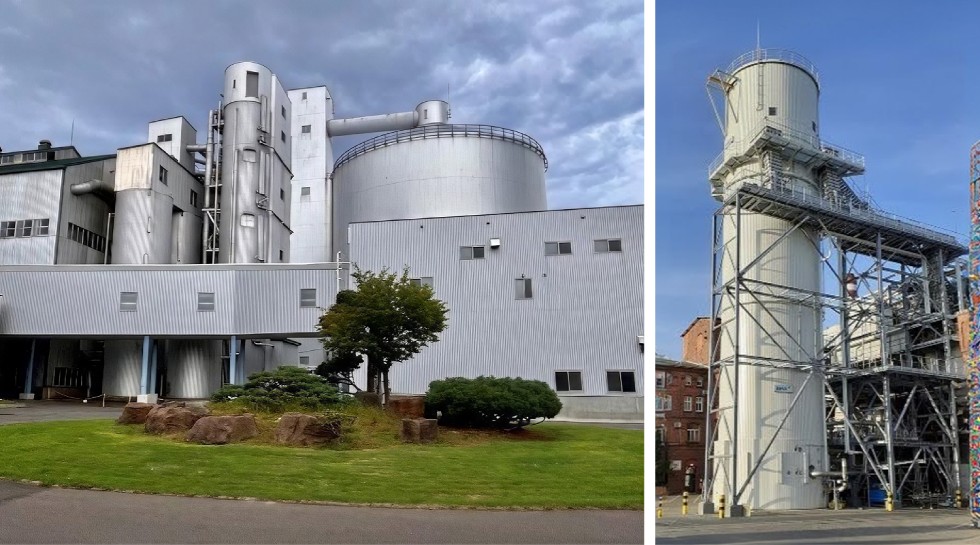
Better equipment performance
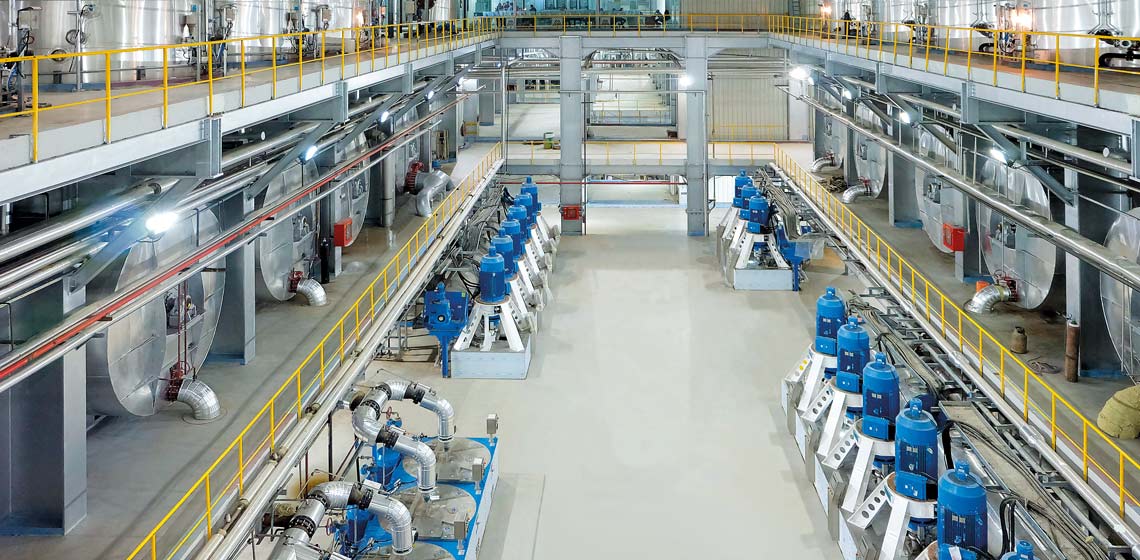
Rethinking Process Technology
Cast in steel, these innovations take shape in our process equipment and machinery for the sugar industry. We continuously refine and optimise the fundamental unit operations, adapting both large-scale process stages and detailed process technology functions to meet changing requirements for product quality, energy consumption and the use of processing aids.
Innovation examples
- Centrifugal basket with elliptical openings
- Introduction of falling-film evaporators in cane industry
- Crystallisation of sugar substitutes
Centrifugal basket with elliptical openings
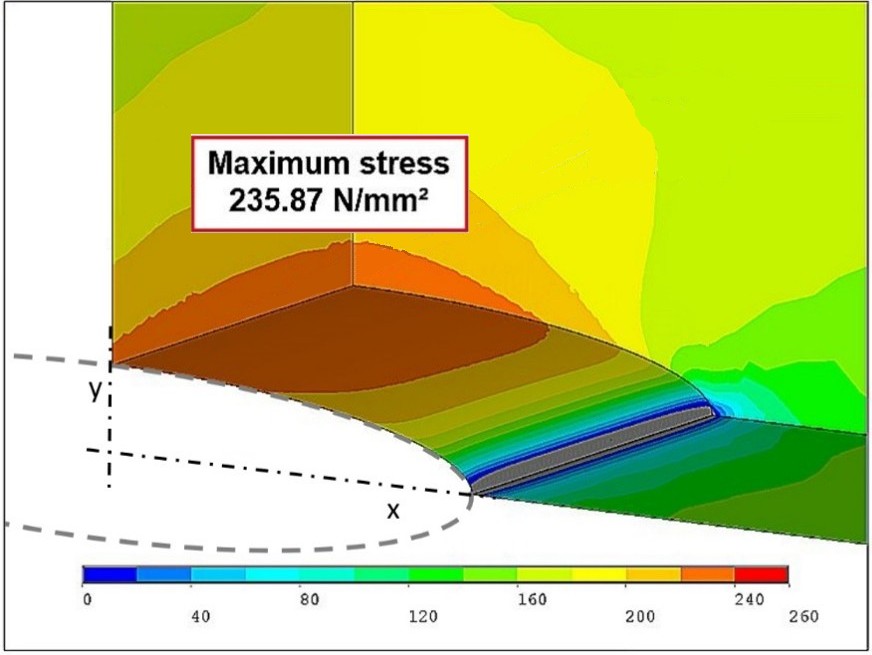
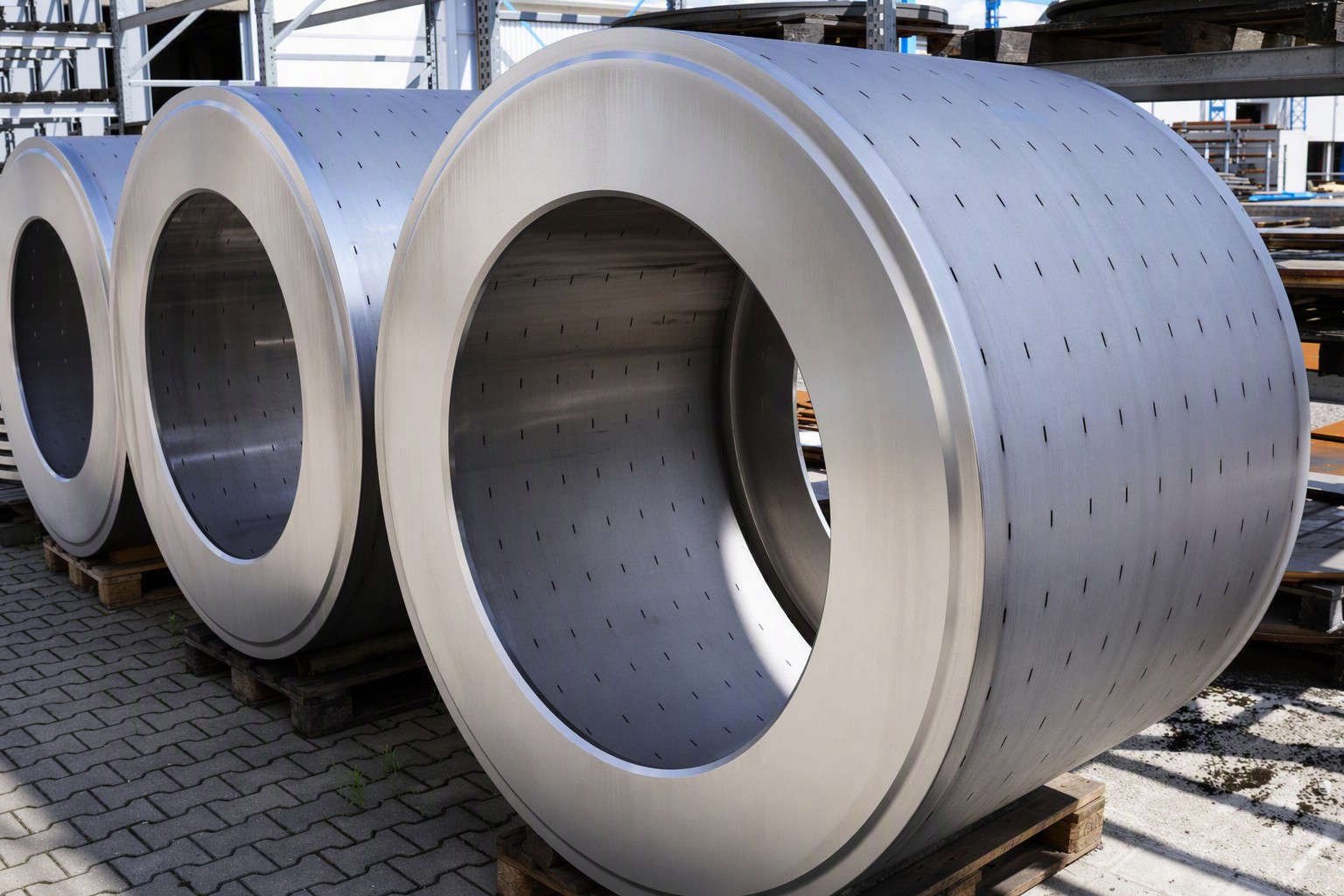
Our innovative centrifugal basket design with elliptical openings in the basket wall represents a significant advancement in durability and operational efficiency. Compared to conventional cylindrical boreholes, the optimized geometry of the elliptical openings reduces peak stress levels by nearly 50%, allowing a reduced wall thickness with longer service life at same time. Lower stress concentrations enhance operational reliability while reducing the need for crack inspections and maintenance activities. The optimized design also reduces the moment of inertia, lowering energy consumption and delivering both economic and sustainability benefits for sugar producers.
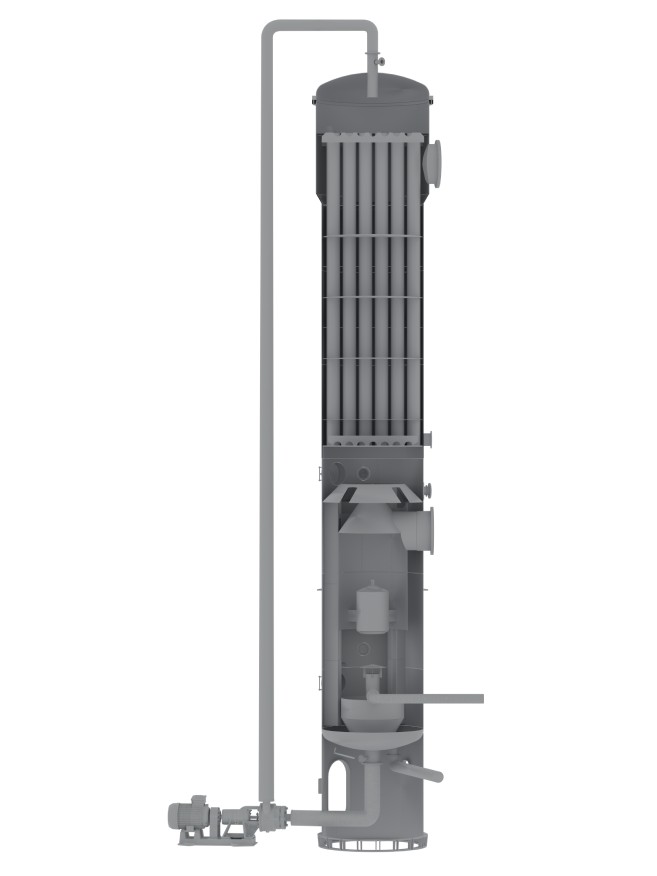
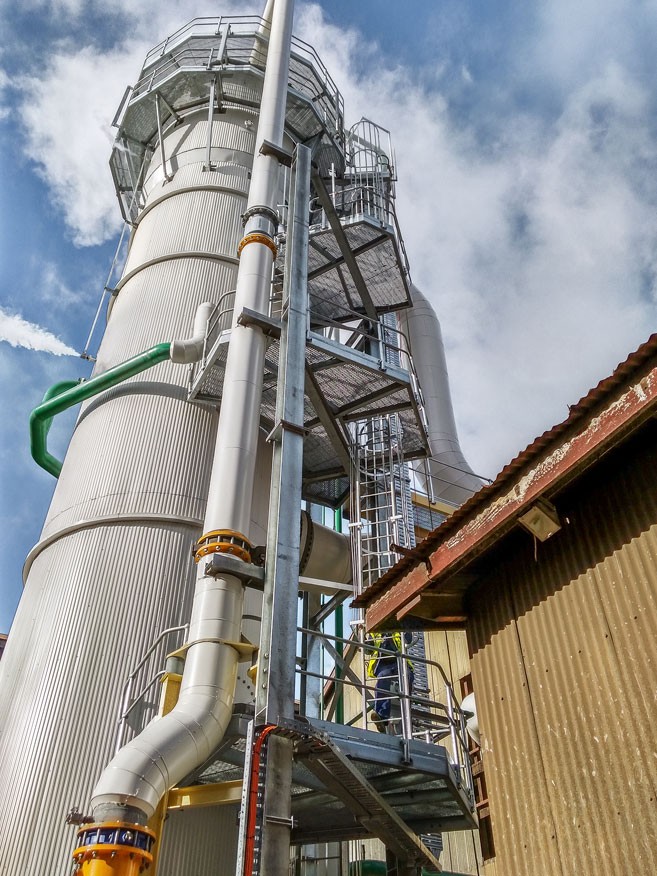
Introduction of falling-film evaporators in cane industry
The introduction of falling-film evaporators (FFE) in cane sugar production is a prime example of process innovation through technology transfer. Building on decades of successful application in the beet sugar industry, BMA has advanced the understanding of FFE technology and forced the implementation of falling-film evaporators for cane sugar factories. Through dedicated research and operational studies, we have demonstrated benefits over Roberts evaporators such as improved heat transfer, manageable scaling effects, lower sucrose losses, and in combination with adaption of vapor bleeding from the evaporator station a significant reduction in steam consumption.
Crystallisation of sugar substitutes
Building on decades of expertise in crystallisation and process engineering, BMA develops and optimizes processes for a wide range of carbohydrates, including glucose, fructose, polyols, and other sugar alternatives. Sugar substitutes such as polyols differ significantly from sucrose in their solubility, crystal growth, and crystallisation behaviour, requiring dedicated process approaches. Through detailed material characterization, laboratory investigations, and pilot-scale trials, BMA develops tailored crystallisation concepts for these products, supporting applications in the food and speciality chemical industries.
Material properties

Solubility
Boiling point elevation

Density

Viscosity
Process data

Dry substance content
Temperature

Crystallisation speed
Crystal Content

Crystal size distribution

Yield
Membership by BMA and/or BMA employees






Pilot plant
At our headquarters in Braunschweig, BMA operates a pilot plant that bridges laboratory research and industrial-scale production. The facility enables customers and partners to validate processes, develop innovative solutions, and optimize technologies under realistic operating conditions.
Our pilot plant supports:
- Laboratory analyses and process investigations
- Prototype development and validation Performance testing and process optimization
- Scale-up studies from laboratory to industrial application