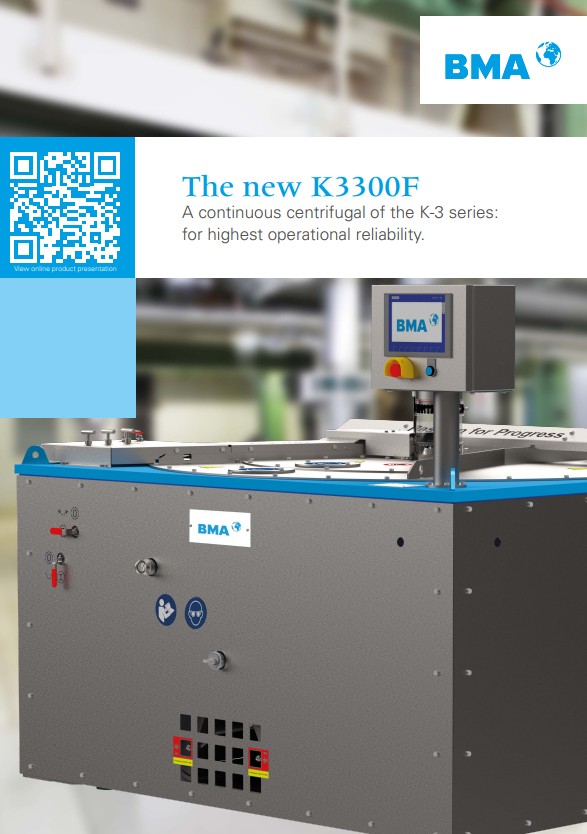



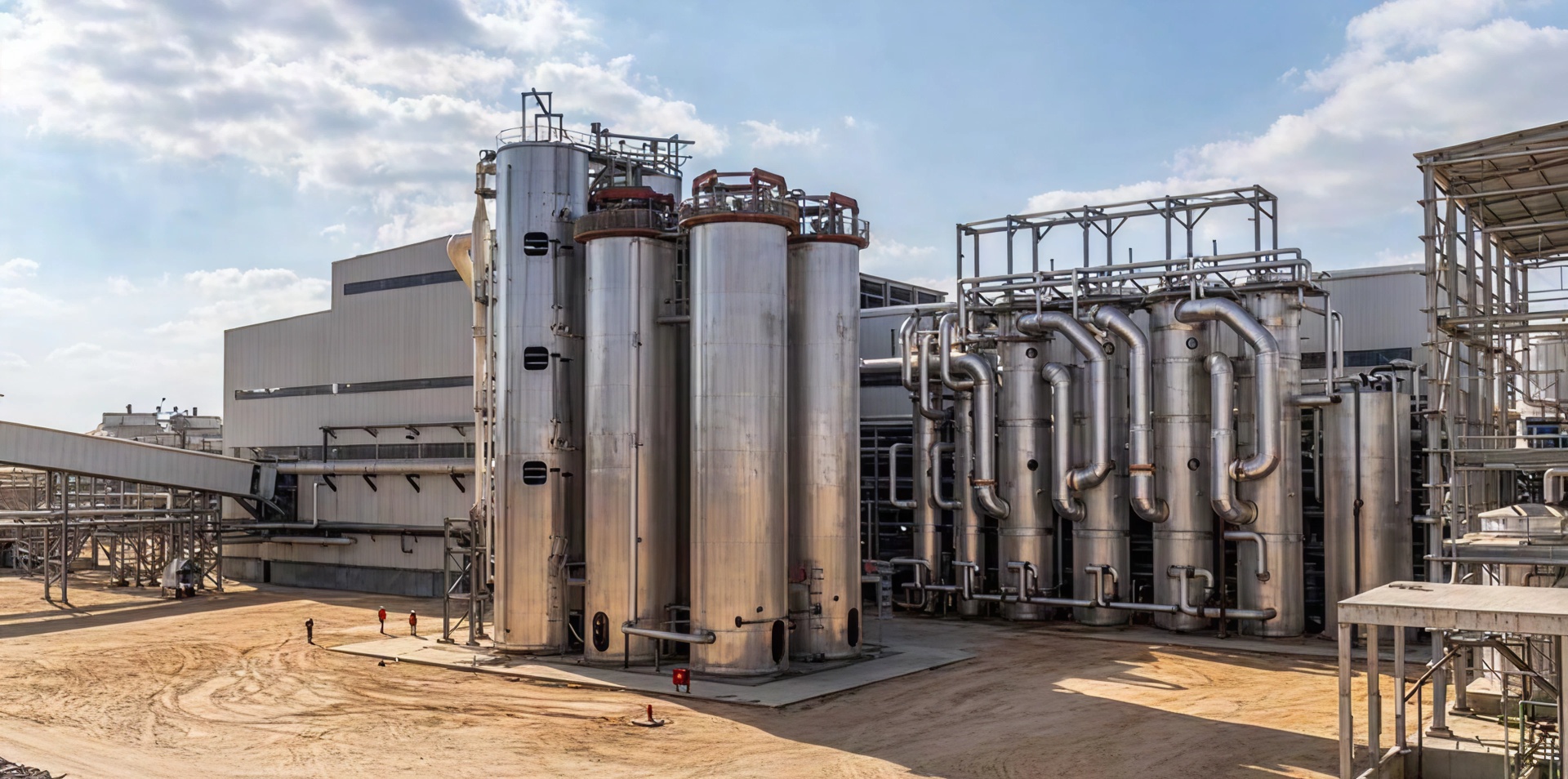


K3300F continuous centrifugal


Continuous centrifugals from BMA: stable in operation
The implementation of continuous processes in production is one factor that ensures efficiency. In sugar production, the continuous centrifugals from BMA ensure continued output coupled with maximum throughput. And even more. Another asset of our centrifugals is their outstanding user-friendliness.
Operating principle K3300F continuous centrifugal
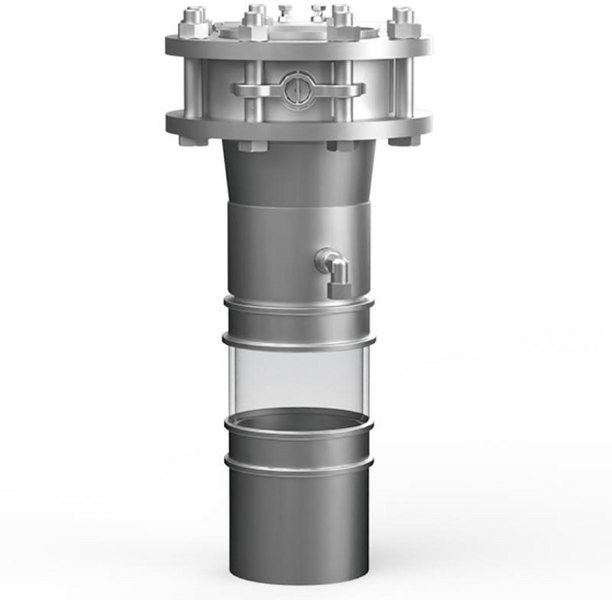
The massecuite enters the machine through the feed pipe, which is controlled by an electropneumatic valve, while the compensator permits a view of the massecuite flow into the machine.
How it works
- Compensator
- Product distributor
- Elliptical openings
- Separation and discharge process
Compensator
An electropneumatic valve controls the massecuite inflow. The compensator isolates the centrifugal from vibrations and movements in the pipe. To ensure efficient massecuite preparation, the massecuite temperature is maintained by the addition of steam via the double-walled feed pipe, and water. The added steam also improves the flow behaviour of the massecuite. This permits continuous production and prepares the massecuite for separation.
Product distributor
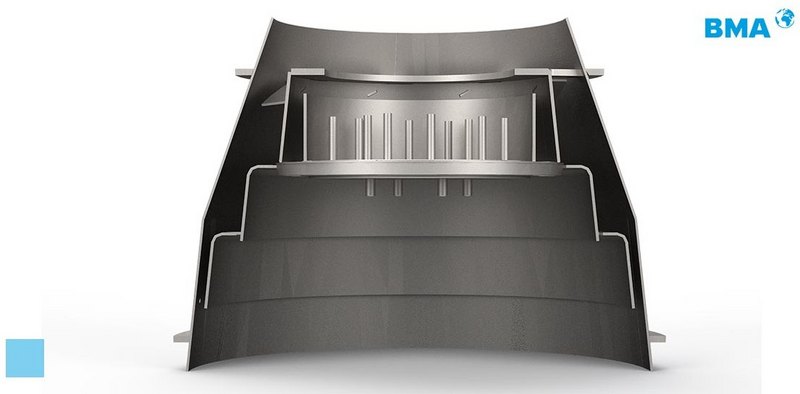
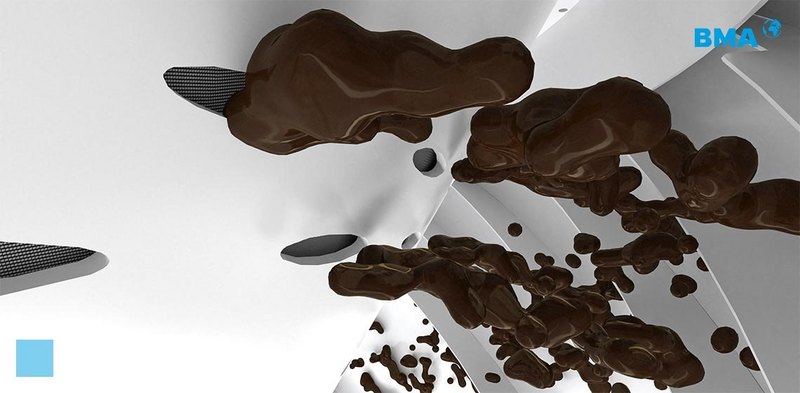
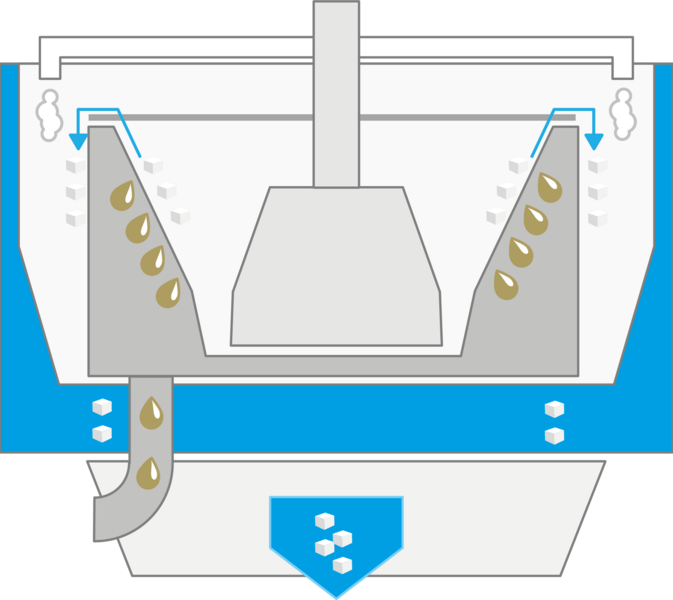
Inside the machine, the massecuite flows directly into the product distributor, in which it is prepared to facilitate the separation of sugar crystals and molasses.
For a high throughput and top quality
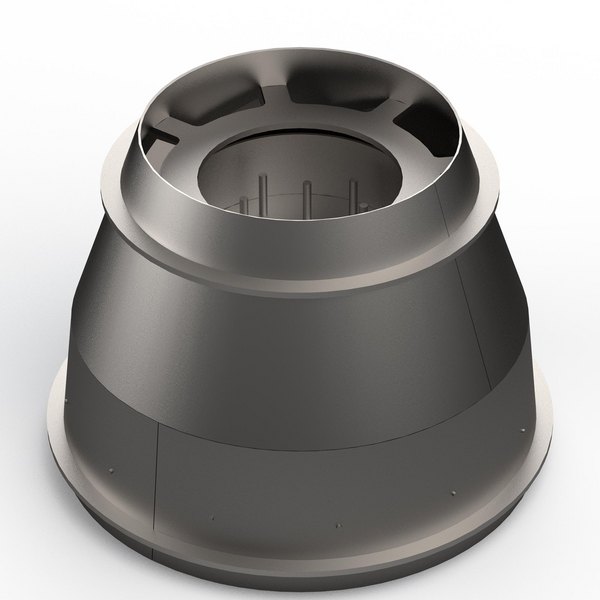
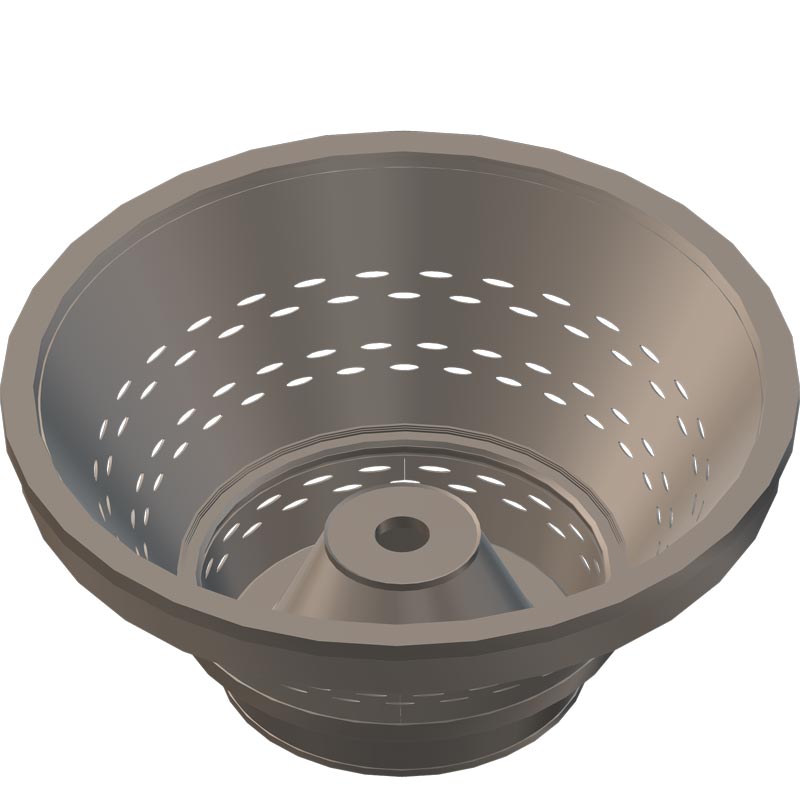
The rapid yet gentle heating of viscous massecuite in our stepped Turbo-3 massecuite distributor prepares it perfectly for centrifugation. Some syrup is already separated at the preseparation stage, permitting higher throughputs than with a traditional conical centrifugal basket and therefore greater efficiency in plant operation. With the double-angled basket, sugar crystals of maximum purity and quality can be produced. The patented elliptical openings in the basket shell also play a major part in this.
Elliptical openings
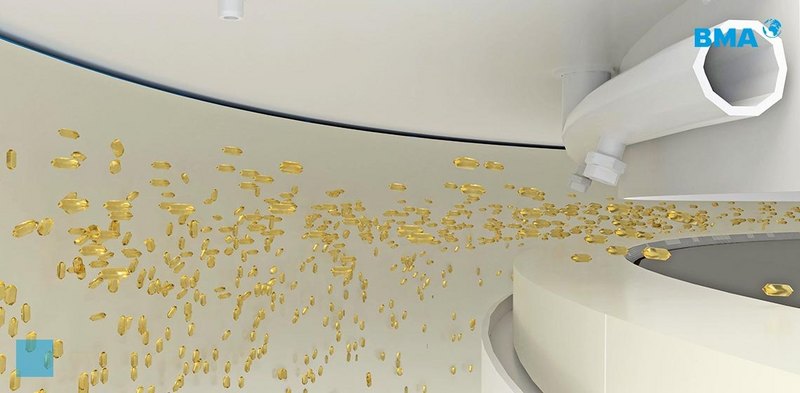
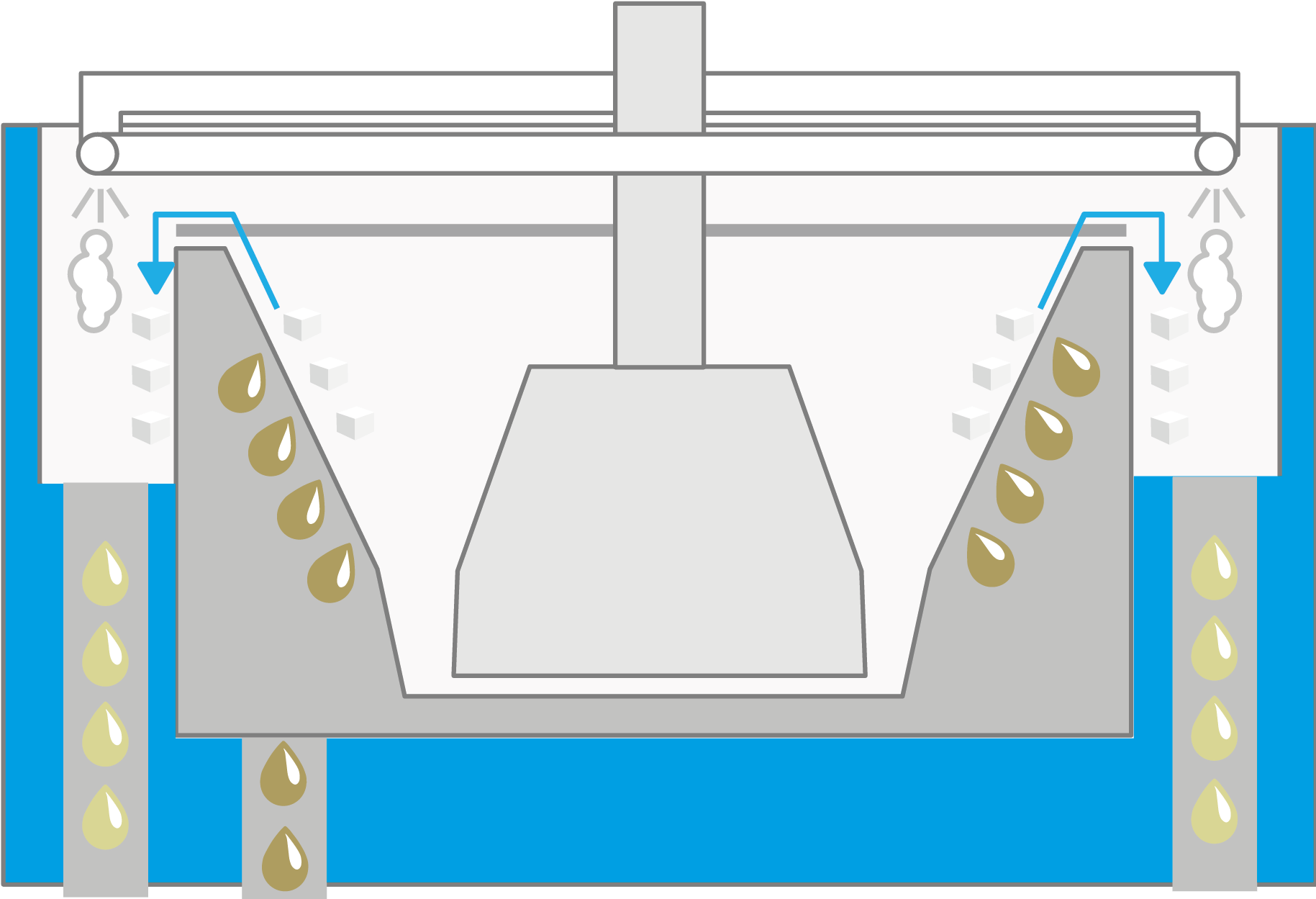
After this process, the mass collects along the basket wall, moving upwards, and the separation of crystal and molasses starts.
The molasses or syrup is discharged into the molasses chamber through the elliptical holes in the basket. It will then flows out of the machine through one or two ducts, depending on whether the machine is equipped with syrup separation. Wash water is applied to the crystals as they continue to move upwards along the basket wall.
Separation and discharge process
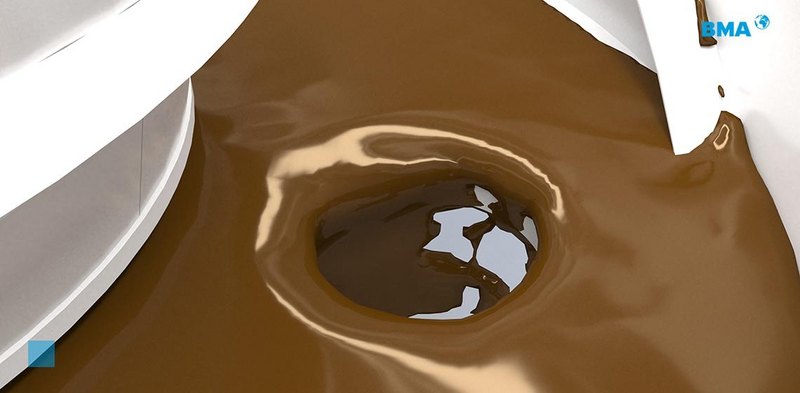
The cleaned crystals drop into the sugar chamber, they then either flows into the discharge hopper (in the case of dry or hybrid discharge), or they are re-melted with a medium to form massecuite or liquor, which is discharged from the machine in the wet discharge variant.
Features of the K3300F continuous centrifugal
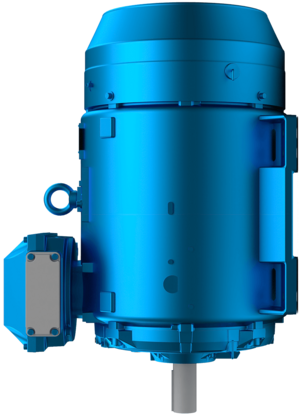
Electric motor


Sensors and instrumentation





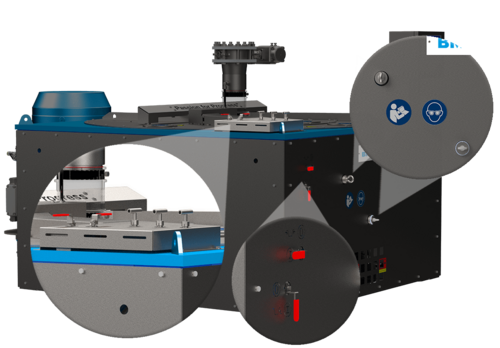
New Features


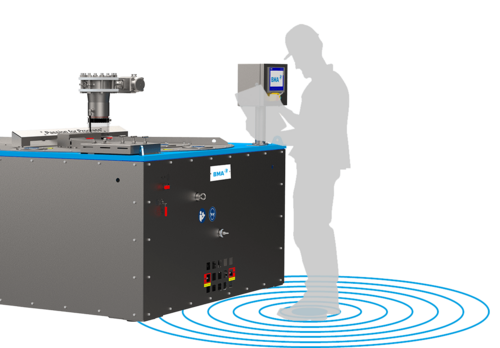
Ergonomic design


Design changes




Smooth running for a long life
Control and automation systems

Automatic addition of wash water

Automatic preparation of magma or liquor

Automatic lubrication system for bearing

Measuring of the V-belt tension

Double temperature bearing monitoring

Easy temperature monitoring for the operator
Discharge variants K3300F
K3300F series continuous centrifugals have a range of discharge variants.
Dry discharge (cone) Sugar
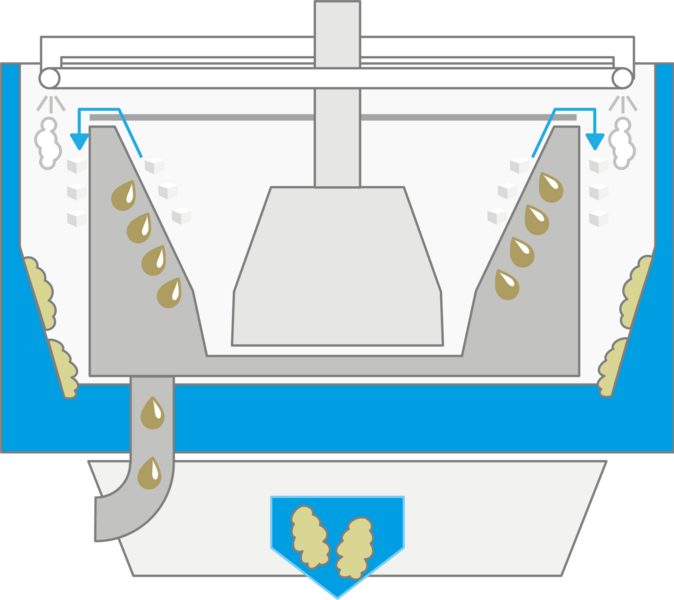
Hybrid discharge sugar, massecuite, liquor
Wet discharge (pipeline) massecuite or liquor
Technical data: K3300F
Straight lines, right angles, compact size
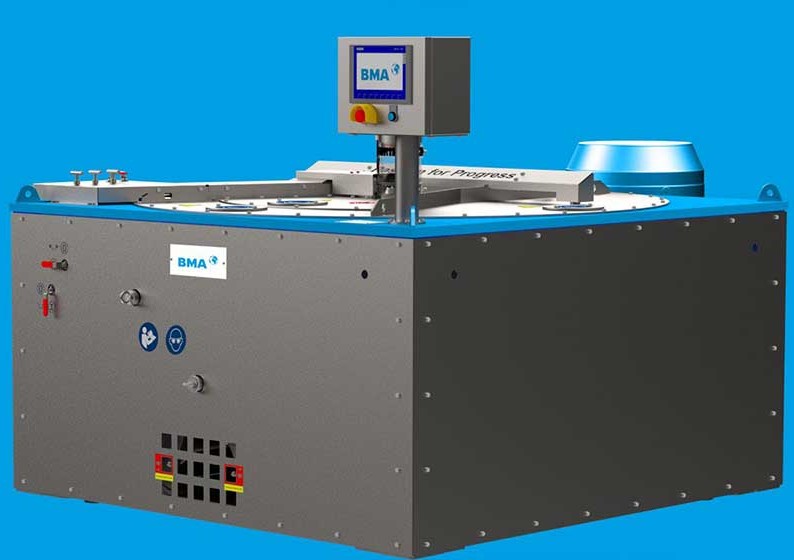
With its compact, box-like shape, the K3300F centrifugal looks quite different from traditional continuous centrifugals. When several K-type machines are placed in a line, their cuboid shape leaves few spaces where dirt can accumulate, as is usually the case – a major benefit in hygiene. With a height of just 1.03 metres, the inside of this BMA centrifugal is easily accessible, making it very user-friendly.
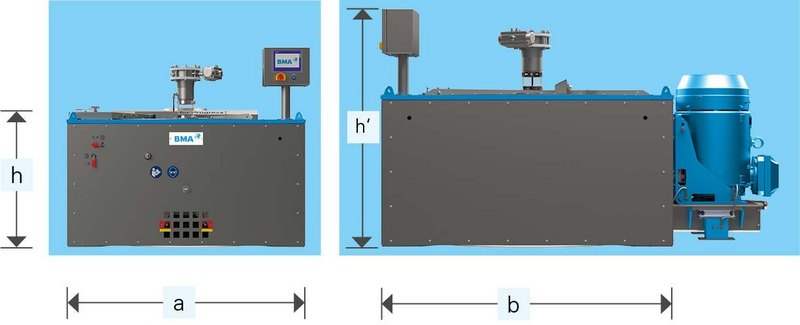
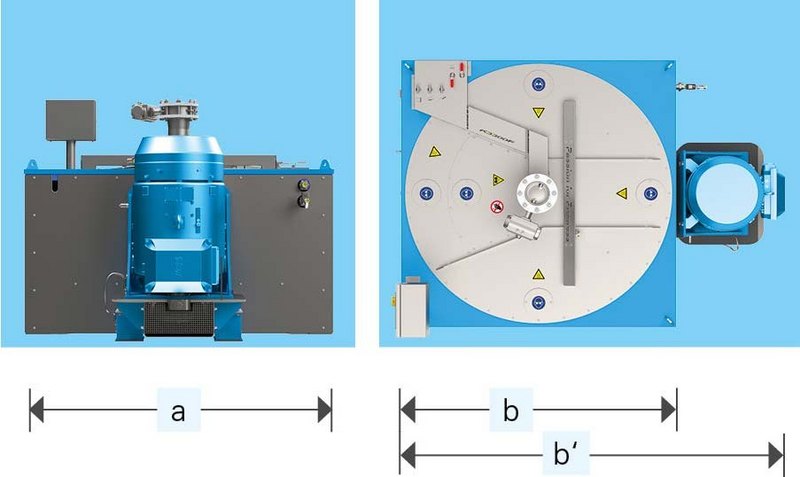
- Dimensions and weights
- Throughputs */**
Dimensions and weights
| K3300F | ||
|---|---|---|
| Basket diameter top | mm | 1300 |
| Length a | mm | 1990 |
| Depth b/b' incl. motor | mm | 1990 / 2800 |
| Height c | mm | 1030 |
| Weight | kg | 3400 |
| Basket angle | ° | 14/30 (25/27*) |
Throughputs */**
| 90 kW / 50 Hz | 104 kW / 60 Hz | ||||
|---|---|---|---|---|---|
| Typical throughput *) | Maximum throughput **) | Typical throughput *) | Maximum throughput **) | ||
| Beet | B product t/h | 26* | 38** | 26* | 44** |
| C product t/h | 16* | 20** | 16* | 24** | |
| C affination t/h | 19* | 28** | 19* | 32** | |
| Cane | A product | - | - | - | - |
| B product t/h | 25* | 35** | 25* | 40** | |
| C product t/h | 14* | 20** | 14* | 23** | |
| C affination t/h | 19* | 25** | 20* | 26** | |
| Refinery | Raw sugar affination t/h | 35* | 42** | 35* | 45** |
| B product t/h | 25* | 35** | 25* | 40** | |
| C product t/h | 14* | 20** | 14* | 23** | |
*) Typical throughput. Max. throughput for good sugar quality; depending on massecuite quality.
**) Maximum throughput. Max. throughput for top machine design; limited by motor rating (sugar quality slightly lower than 2)
Downloads
Please refer to the product brochure for more detailed information. We would also be happy to advise you in a personal consultation.