





Centrifugation


Centrifugation for efficient crystal separation
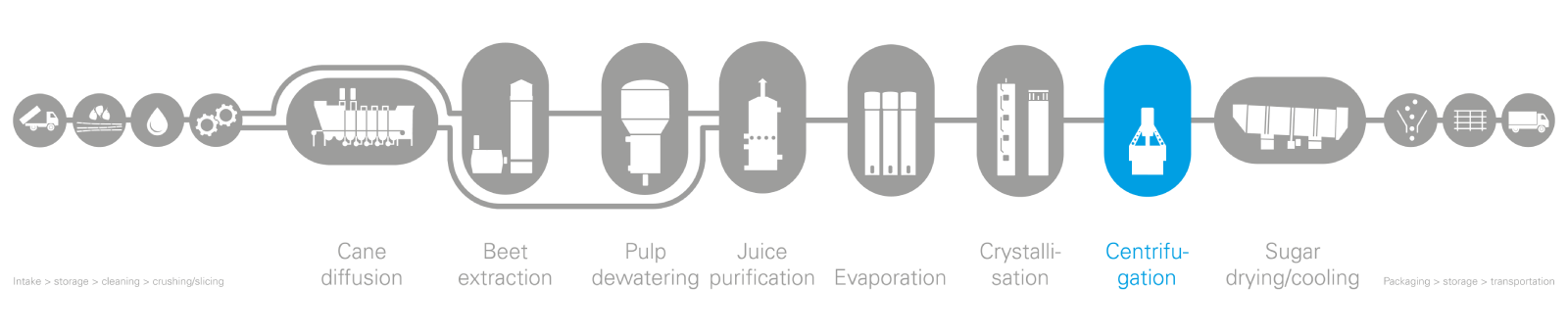
Centrifugation
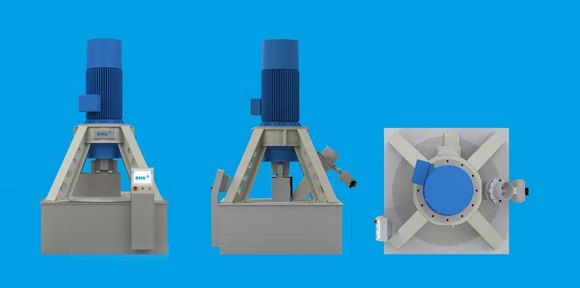
Batch centrifugal: E-series
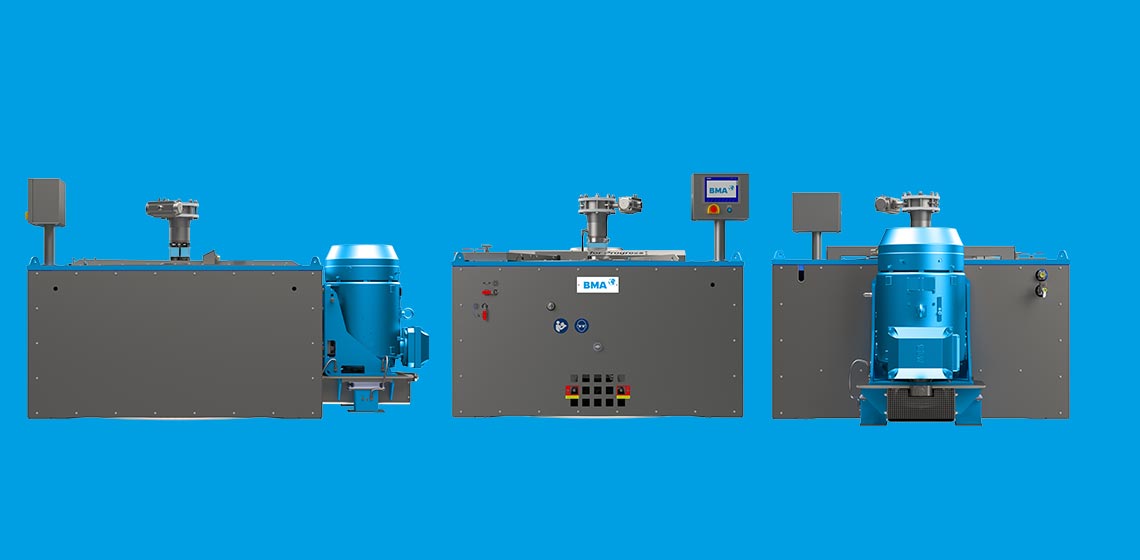
K3300F continuous centrifugal
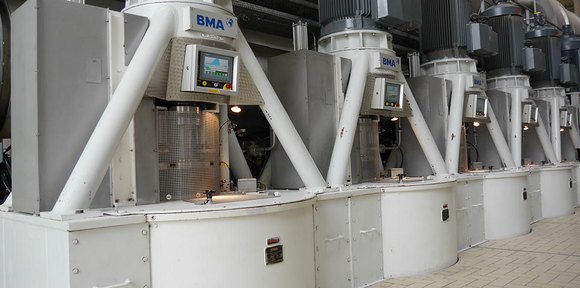
Available upgrades / retrofit
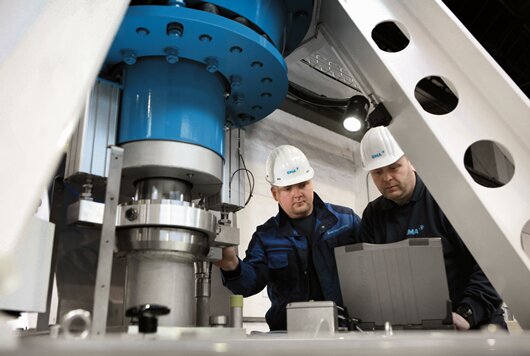
Centrifugation with technologies from BMA
BMA offers a comprehensive range of batch and continuous centrifugals for all massecuite grades, from refined sugar or high-purity A-massecuite to low-purity C-massecuite. Designed for reliable crystal separation and efficient crystal washing, these machines ensure consistent product quality and stable process performance. Advanced drive and automation technologies support a high throughput, operational reliability, and consistent separation results throughout the campaign.
A key step before drying and cooling
Effective centrifugation delivers sugar crystals with the required purity and residual moisture content for downstream drying and cooling. Through reliable separation performance and seamless integration into the production process, BMA’s centrifugal technologies play a significant role in boosting the sugar yield, product quality, and overall plant efficiency.
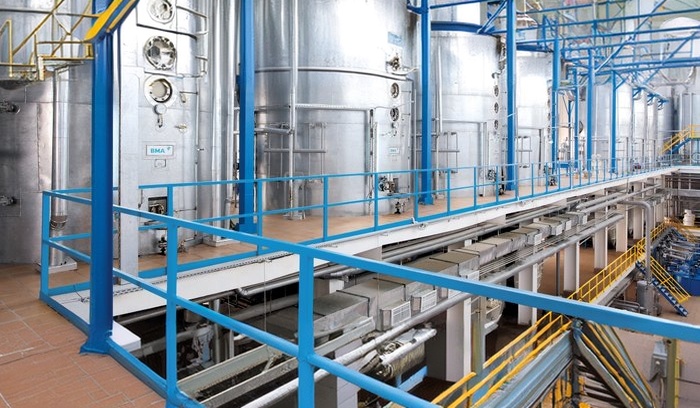
FAQ Centrifugal Basket
Will our old spindles fit the new hubs? Do the old backing screens fit the new baskets?
The hub seat/basket seat and the inner dimensions are the same as before.
The weight and therefore the moment of inertia are lower. We recommend adjusting the converter to match the basket.
For baskets with elliptical openings, an inspection interval of 450,000 batches applies.
What changes to the converters are required? Do we need to set specific parameters? Should BMA take over the commissioning?
Only the behaviour of the motor during transition from acceleration to separation speed needs to be checked.
Any overshoot should be avoided.
What is the size of the open area compared to the old centrifugal basket design?
At what maximum wall wear can the centrifugal basket still be operated safely? (Is a reduction of the wall thickness by, say, 1 mm still OK?)
Is it possible – as it was with the old design – to rebore the elliptical openings of the new centrifugal basket if there are minor cracks?
With the new design with elliptical openings, reworking by reboring is not possible. However, because of the improved manufacturing quality and the updated geometry, such flaws are not expected to occur in the new design.
At what number of batches can the centrifugal basket still be operated safely (TÜV inspection in a disassembled state every 3 years)?
Comparison of inspection intervals:
- Old design: First and second inspections after every 350,000 batches, then after every 120,000 batches
- New design: First and second inspections after every 450,000 batches (+29 %), then after every 240,000 batches (+100 %)