





Energy efficiency optimization for ICPL, India
Project duration: 2012–2014


More revenue and higher energy efficiency through co‑generation with BMA technology
ICPL boosts efficiency and profitability with BMA Technology
Indian Cane Power Ltd. (ICPL) has pursued a long‑term strategy to enhance energy efficiency, reduce steam consumption, and increase co‑generation revenue.
Over more than a decade, BMA has supported ICPL with a series of technical upgrades ranging from evaporator station to vertical continuous pan. The result: significantly lower steam demand during the campaign and increased power export to the local grid.
Read moreInitial situation & challenges
ICPL aimed to strengthen its position as an energy‑efficient cane sugar producer by:
- Reducing steam consumption during sugar production
- Lowering bagasse demand for sugar production during the crushing season
- Increasing bagasse availability for co‑generation and power generation while sugar is not produced
- Enhancing sugar output with consistent product quality (“Plantation White”)
- Ensuring that all new equipment is seamlessly integrated into an existing factory setup
The overarching challenge: achieving these goals without disrupting operations, and in a way that delivers financial returns through increased export of electricity to the local grid.
Read more
Customer profile
- Company: Indian Cane Power Ltd. (ICPL)
- Industry: Cane sugar manufacturing and power co‑generation
- Location: Uttur, India
- Special focus: Maximizing efficiency in both sugar production and renewable electric power generation
- Strategic aim: Reduce energy consumption during the campaign to make bagasse available for profitable off‑season power generation
Equipment Supplied by BMA
Over several phases (2012–2016), BMA supplied:
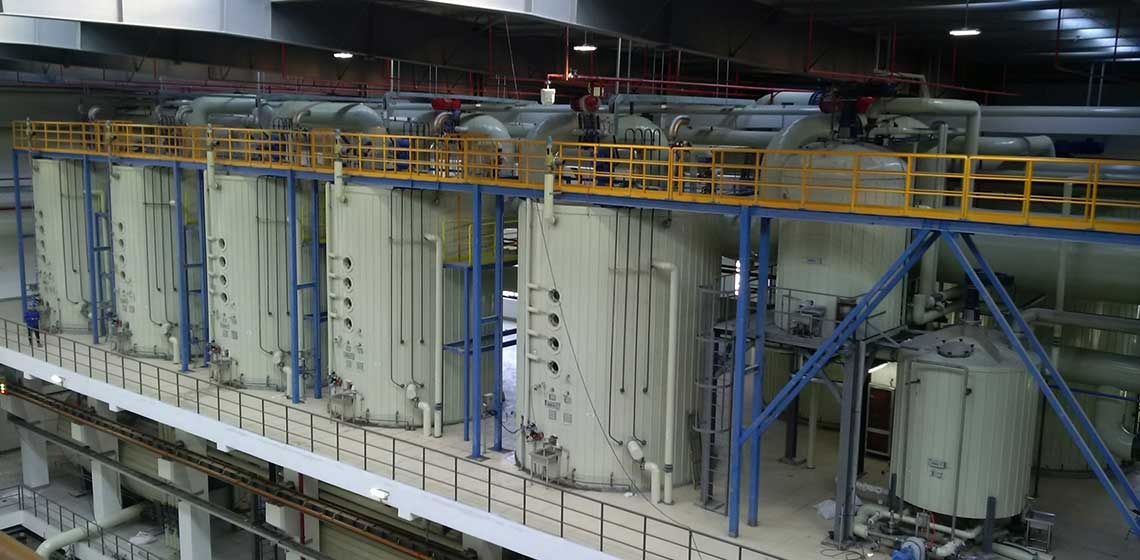
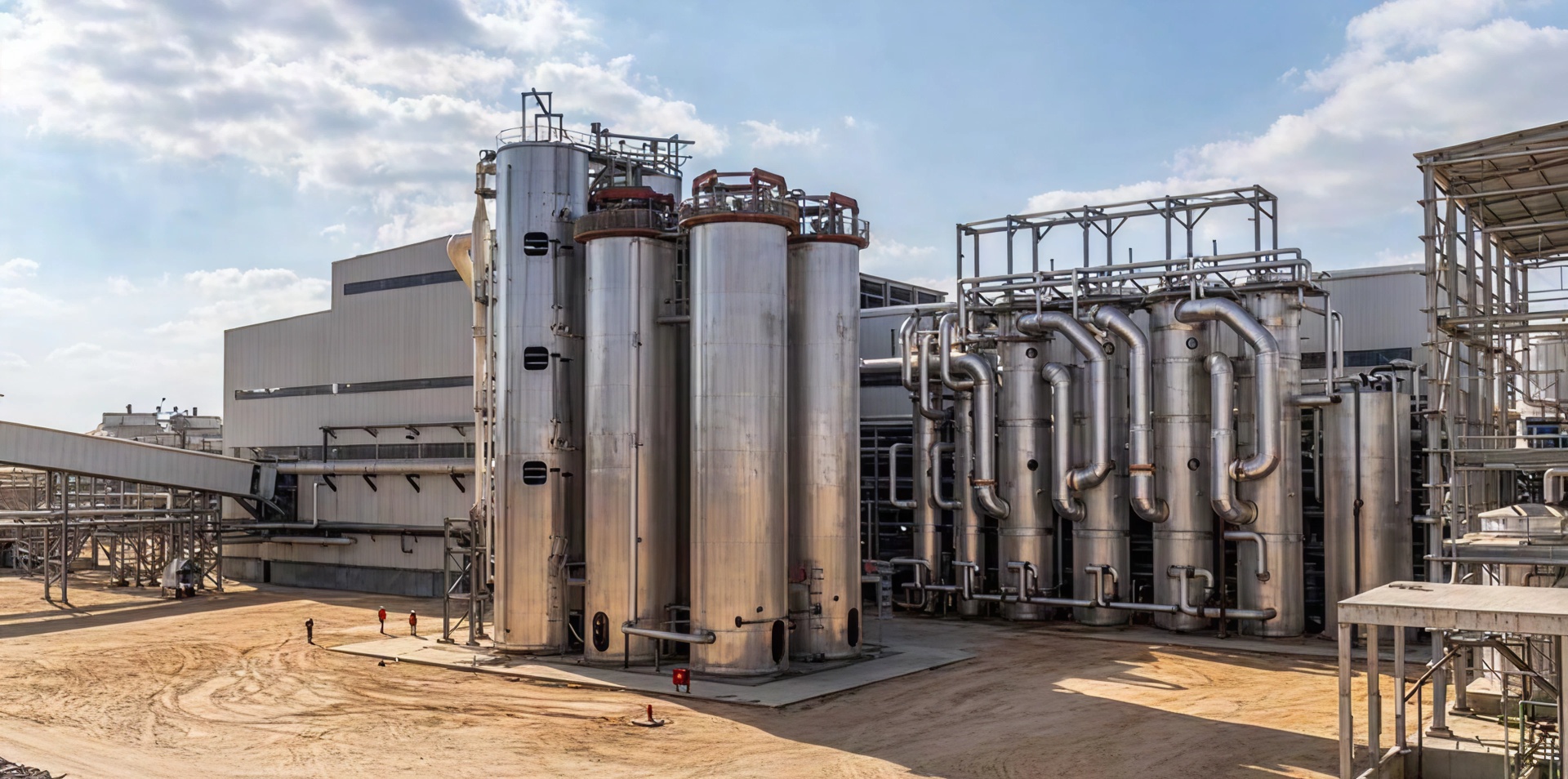
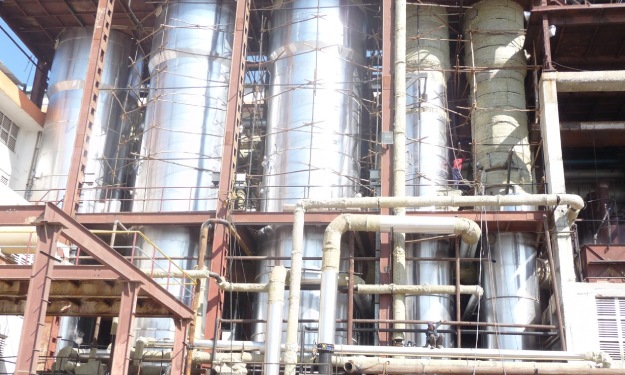
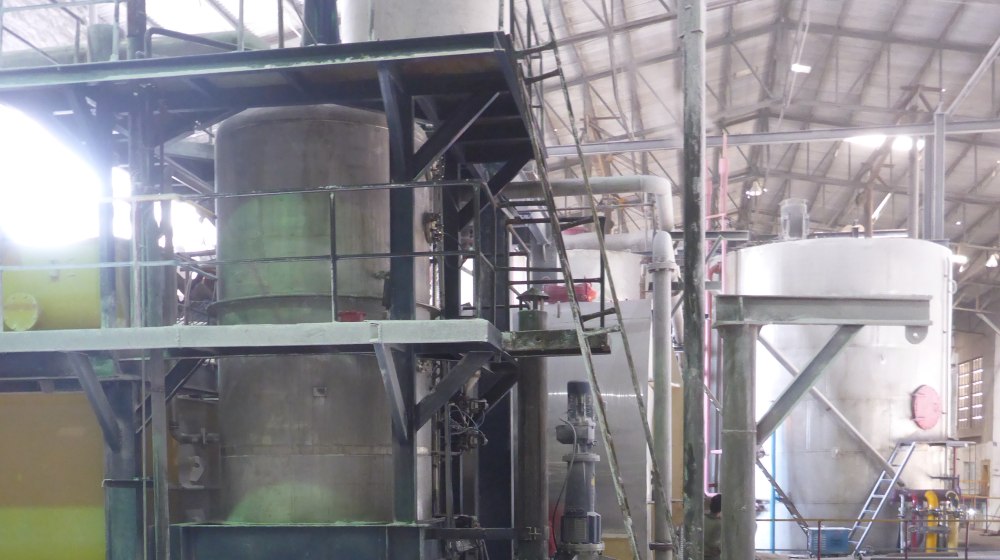
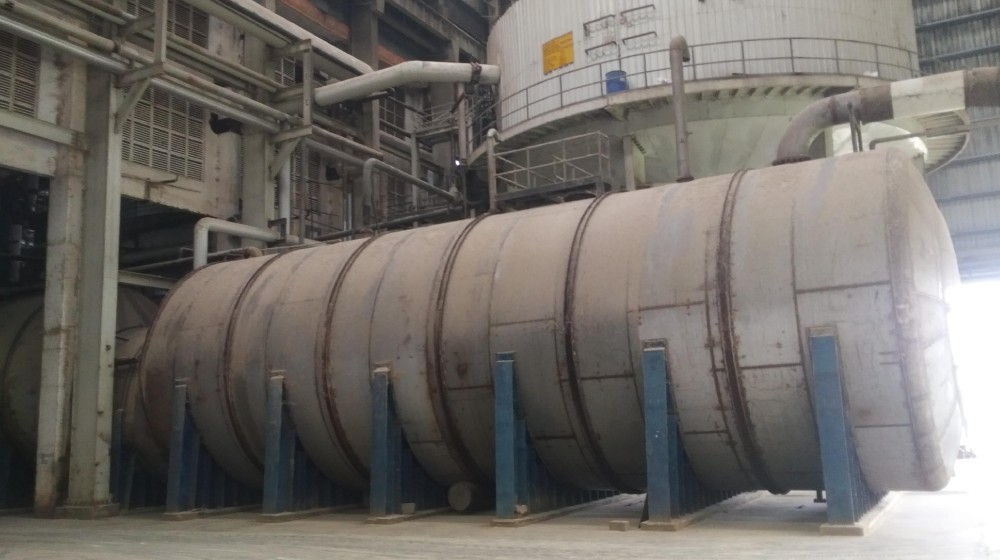
- 5‑effect falling-film evaporator station
- Expansion of evaporative capacity by additional falling-film evaporators
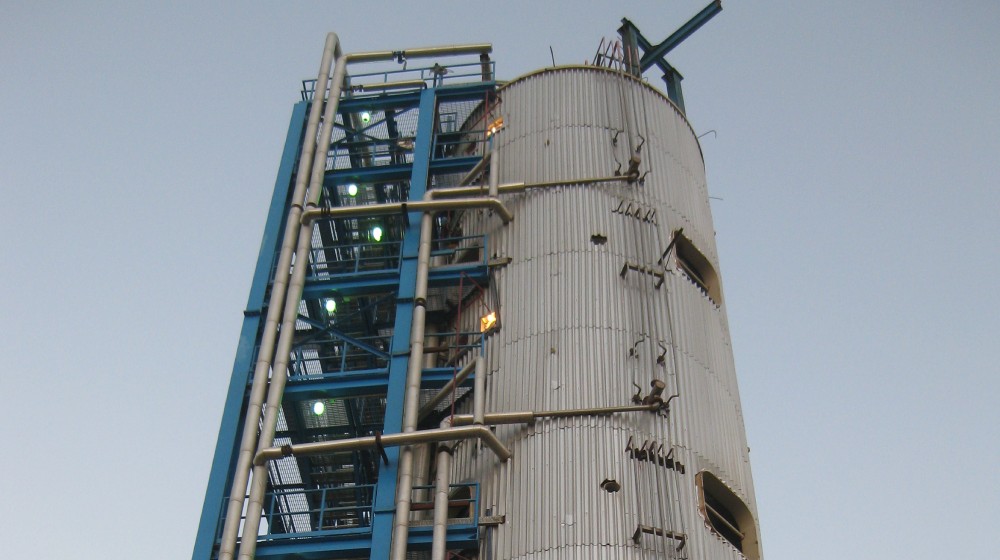
- Vertical vacuum pan (VKT) for A‑product sugar (“Plantation White”)
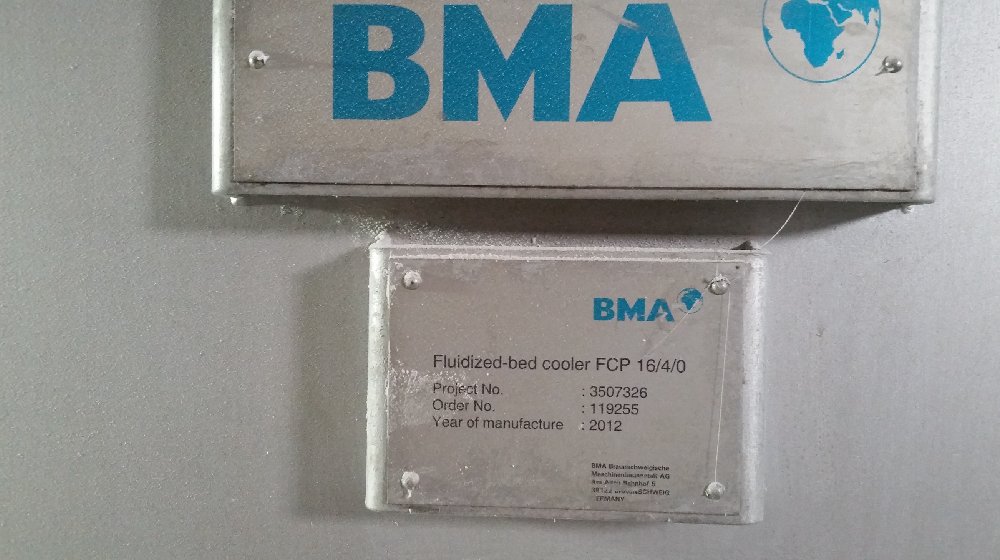
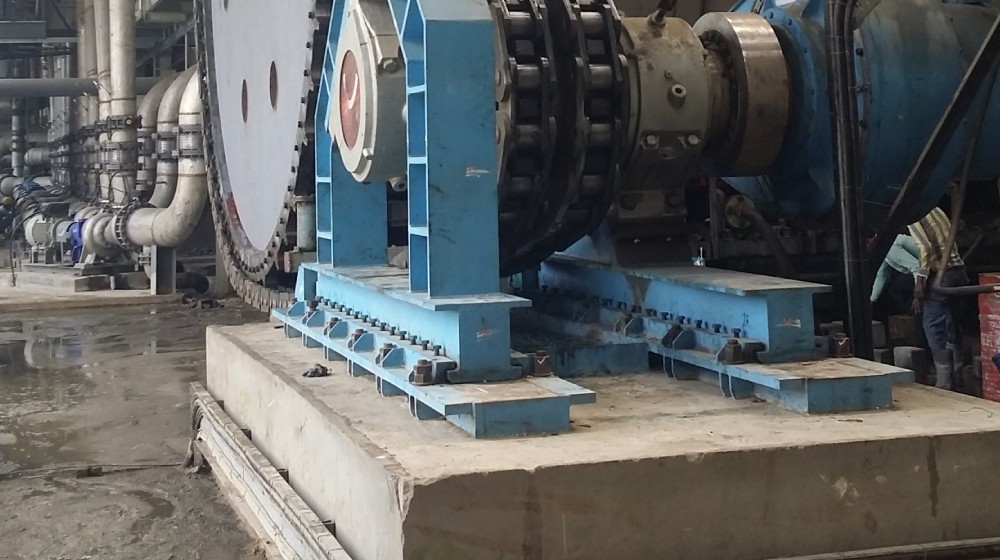
- Seed-massecuite cooling plant
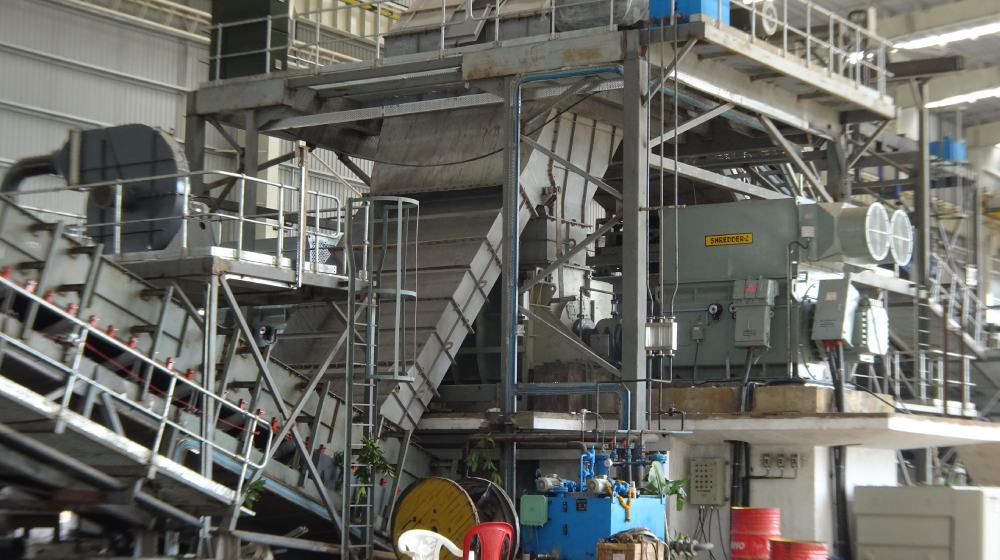
- Diffuser
Scope of delivery by BMA
Engineering & Studies
- Energy study and detailed planning for the entire thermal process
- Development of an efficiency‑optimized factory concept
- Integration of falling-film evaporators and crystallization systems with minimized temperature gradients and steam demand
Services Provided
- Process design, planning, installation support, and commissioning
- Intensive technical discussions with all project stakeholders
- On‑site monitoring and guidance by experienced BMA engineers
- Long‑term partnership with close customer support at every stage
Solution approach & implementation
01
Stepwise Efficiency Upgrades
- 2012: Commissioning of a 5‑effect falling-film evaporator station
- 2013–2014: Expansion of evaporative capacity and modernization of the sugar house
- 2015: Installation of a VKT for continuous A‑product crystallization and a seed-massecuite cooling system
- 2016: Commissioning of a diffuser
Energy Optimization as the Core Strategy
- The new factory concept makes full use of minimal temperature differences between heating steam and vapor
- The multi‑effect falling-film evaporator station ensures optimal vapor bleeding and reduced steam use
- Continuous operation of the VKT stabilizes steam consumption and helps keep the steam‑on‑cane value below 30%
02
03
Co‑generation Advantage
- Because the factory now requires much less bagasse during the crushing season, ICPL can use the surplus bagasse for power generation during off-season
- Electricity export to the local grid has become a profitable business segment
- The investment in high‑efficient BMA technology has paid-off rapidly through additional revenue streams
Results & key figures
Operational Performance
- Significant reduction of steam‑on‑cane to below 30%
- Noticeably lower bagasse consumption during sugar production
- Increased operational efficiency from continuous crystallization (VKT)
Energy & Financial Impact
- More bagasse available for off‑season power generation
- Increased electricity sales to the local grid → new revenue source
- Faster payback of the equipment investment due to higher power expor